





E-Invoicing is the digital process of creating, sending, and receiving invoices in a structured format that software can read and process automatically. In the UAE, a PDF, scanned image, or emailed invoice does not count as an E-Invoice. Invoices must be issued in a structured format, exchanged over the Peppol network through an Accredited Service Provider (ASP), and reported to the Federal Tax Authority (FTA). At IFC, we help businesses transition smoothly by setting up systems, training teams, and ensuring your invoicing stays compliant from day one.
E-Invoicing has been open for voluntary adoption since 1 July 2026 and becomes mandatory in phases from 1 January 2027 for B2B and B2G transactions. This change supports the government's push towards transparency, efficiency, and better tax compliance. The UAE uses Peppol, a globally recognised network, which allows businesses to connect with suppliers and customers more easily. IFC provides end-to-end support, from assessing your current setup to implementing the right solution, so your business is fully prepared and penalty-free when your mandatory date arrives.

E-Invoicing is especially important for SMEs in the UAE because it helps improve accuracy and reduce manual errors. Traditional invoicing often leads to missing details, duplication, or delays, which can be frustrating and time-consuming for small business owners. With E-Invoicing, information is structured and sent digitally, helping you keep better records and avoid common mistakes that impact Cash Flow and Compliance.
It also speeds up the payment process. When invoices are delivered electronically, they reach clients faster and are less likely to be delayed or lost. This helps small businesses manage their Cash Flow more effectively - one of the biggest challenges for SMEs. With better tracking and fewer late payments, you can stay in control of your finances and make smarter decisions with confidence.
Most importantly, E-Invoicing will soon be mandatory for SMEs in the UAE. Businesses with revenue below AED 50 million must appoint an Accredited Service Provider by 31 March 2027 and go live by 1 July 2027. Missing these dates can lead to administrative penalties, so preparing early matters. At IFC, we work closely with SMEs to choose the right Accredited Service Provider, guide the setup process, and ensure you meet all FTA requirements, so you stay compliant and ahead of the curve.
Running a business is already demanding, and keeping track of new tax rules can feel overwhelming. E-Invoicing sounds technical and confusing, which makes it easy to ignore. But ignoring it puts your business at risk of penalties and non-compliance. Without a clear understanding, you may miss key deadlines or choose the wrong system. With the right support, you can stay informed and take simple steps to get E-Invoicing done correctly.
The idea of yet another compliance deadline is stressful-especially when you’re already juggling daily operations. Missing the E-Invoicing cut-off in 2026 could mean unexpected fines or serious Tax issues. Leaving it to the last minute might lead to rushed decisions or costly mistakes. With timely guidance, you can prepare well in advance and avoid unnecessary pressure on your business.
Not every business has in-house tech support, and new systems often come with a learning curve. If the process is too complex, it could slow down invoicing or cause more problems than it solves. This creates frustration for you and your team. But with the right setup and training, E-Invoicing can actually save you time and simplify your day-to-day operations.
Late payments can hurt your Cash Flow - and even small invoicing mistakes can create big problems. A broken or confusing E-Invoicing setup could lead to missed payments, disputes, or delays. This affects your bottom line and client relationships. With the right system in place, invoicing becomes faster, clearer, and more reliable - keeping your business financially healthy and your customers happy.
Compliance costs add up, and it’s easy to feel like E-Invoicing is just one more thing to pay for. But avoiding it could lead to bigger expenses later - from penalties to operational disruption. It’s about investing wisely now to avoid crisis management later. With expert guidance, you can find a practical, affordable solution that keeps your business compliant without unnecessary strain on your budget.

Running a business is already demanding, and keeping track of new tax rules can feel overwhelming. E-Invoicing sounds technical and confusing, which makes it easy to ignore. But ignoring it puts your business at risk of penalties and non-compliance. Without a clear understanding, you may miss key deadlines or choose the wrong system. With the right support, you can stay informed and take simple steps to get E-Invoicing done correctly.

The idea of yet another compliance deadline is stressful-especially when you’re already juggling daily operations. Missing the E-Invoicing cut-off in 2026 could mean unexpected fines or serious Tax issues. Leaving it to the last minute might lead to rushed decisions or costly mistakes. With timely guidance, you can prepare well in advance and avoid unnecessary pressure on your business.

Not every business has in-house tech support, and new systems often come with a learning curve. If the process is too complex, it could slow down invoicing or cause more problems than it solves. This creates frustration for you and your team. But with the right setup and training, E-Invoicing can actually save you time and simplify your day-to-day operations.
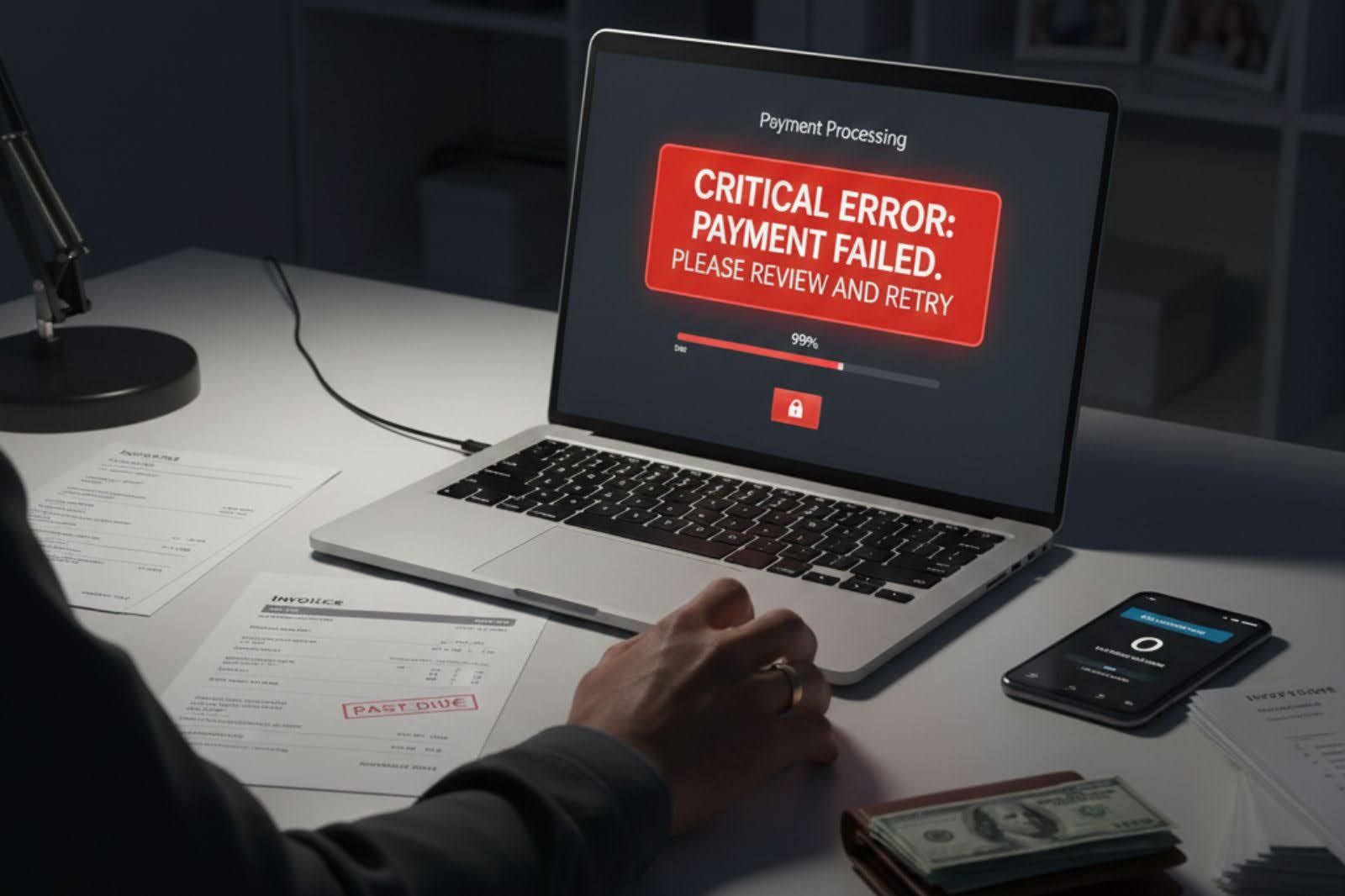
Late payments can hurt your Cash Flow - and even small invoicing mistakes can create big problems. A broken or confusing E-Invoicing setup could lead to missed payments, disputes, or delays. This affects your bottom line and client relationships. With the right system in place, invoicing becomes faster, clearer, and more reliable - keeping your business financially healthy and your customers happy.
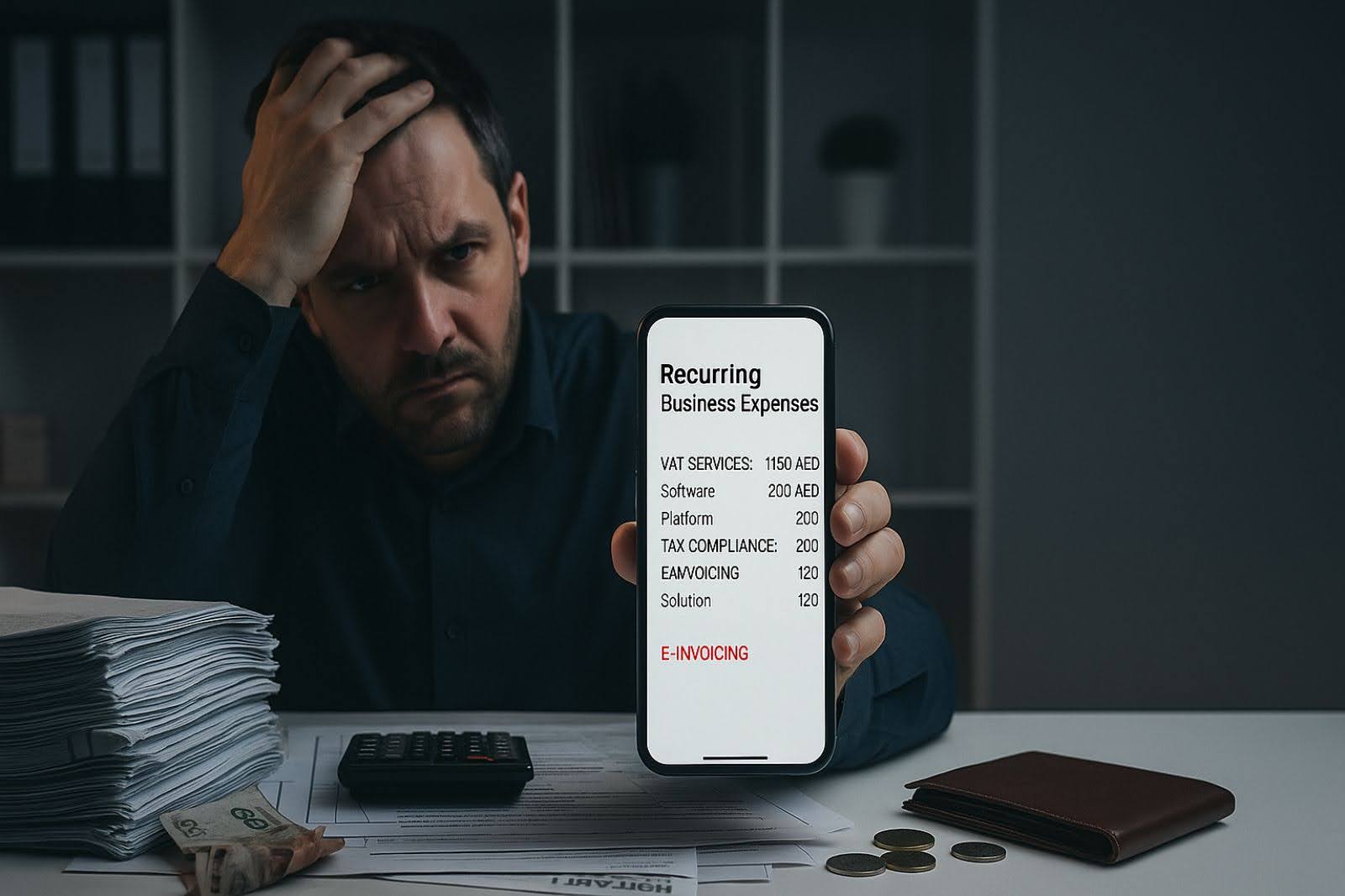
Compliance costs add up, and it’s easy to feel like E-Invoicing is just one more thing to pay for. But avoiding it could lead to bigger expenses later - from penalties to operational disruption. It’s about investing wisely now to avoid crisis management later. With expert guidance, you can find a practical, affordable solution that keeps your business compliant without unnecessary strain on your budget.
At IFC, we simplify E-Invoicing by guiding you through each step - from setup to compliance. Our approach is practical, stress-free, and tailored to your business. We remove the guesswork so you feel confident, in control, and fully prepared for your E-Invoicing deadline, without disrupting your daily operations.
The UAE Ministry of Finance began rolling out E-Invoicing in phases in July 2026. Your requirements depend on your business size and category.
The pilot programme began on 1 July 2026 with a Taxpayer Working Group selected by the Ministry. Businesses take part only with their written agreement and must meet all technical requirements set by the Ministry and the FTA.
Any business can now choose to start using E-Invoicing. Voluntary adopters must follow the same approved formats and system standards. E-Invoicing penalties only apply from a business's mandatory date, which makes voluntary adoption a good way to test the process early.
The UAE is introducing E-Invoicing in stages based on business size. Each category has its own deadline to appoint an accredited service provider and to begin mandatory use.
| Phase | Entity Type | Revenue | ASP Appointment | Mandatory Start |
|---|---|---|---|---|
| Phase 1 | Large Business | ≥ AED 50m | 30 Oct 2026 | 1 Jan 2027 |
| Phase 2 | SMEs | < AED 50m | 31 Mar 2027 | 1 Jul 2027 |
| Phase 3 | Government Entities | All, regardless of revenue | 31 Mar 2027 | 1 Oct 2027 |
* Revenue means gross income for the most recent accounting period, based on financial statements prepared under UAE legislation, or other documentation acceptable to the FTA. The Phase 1 ASP date reflects the amendment to Ministerial Decision No. 244 of 2025.
Note : Businesses that deal only with consumers (B2C) are not included in the current mandate. If you also buy from or sell to other businesses, you may still be in scope. All entities within scope must complete onboarding and meet the technical standards issued by the Ministry and the FTA.

At IFC, client satisfaction is our top priority. Hear from our clients about their experiences and the positive impact our services have had on their businesses. Their testimonials reflect our commitment to excellence, trust, and delivering tech-driven, customised solutions that help businesses of all stages achieve long-term growth and success.
The Budget Masterclass is catered for each individual's business. Each business owner walks away with a fully functional budget based our business's numbers! It was what we needed in order to lay down a solid foundation for 2020.
Thank you for your assistance in the annual audit. We are very happy with your service. It is important to have a good working relationship with your accountants & we certainly feel confident in the advice given.
You and your team have been of constant support by managing our accounting. The icing to the cake is your regular advice & highlighting where we are going wrong & where we could do better. IFC is a great advisory pillar of our business.
IFC has been professional at international standards. They understand the business & guide on how accounts should be recorded & maintained. Pramod's team is spot on in advising on the books & their system enables easy access to data anywhere anytime.
We thank IFC for their professionalism & outstanding financial services. Your help with all aspects of business helped us streamline our accounting process & internal controls. With IFC's help, we created proper budgets and regular tracking.
Thank you for the auditing services provided to our client. We referred IFC, they strategized the deal for getting a Tax Residence Certificate from Ministry of Finance. This was possible with prompt & effective advice, assistance & service from IFC.
For over a year, our books were in doldrums. IFC solved our 15-month backlog with ease & certainty. Now, our system is just remarkable. Your focus on process allows us to establish clear workflows for effective oversight & streamlined operations.
Your advice has worked wonders - doing transformational events rather transactional work. I acknowledge your support & guidance for our outsourced bookkeeping function & creating a financial roadmap. You are a specialist in Accounting for SMEs.
Throughout last year, I have had many clarifications & you have always been there. Furthermore, you have introduced me to some great people along the way. I am eternally grateful & express my sincere gratitude towards IFC.
Stay up-to-date on the latest regulations, finance and business growth tips, and any relevant notifications by subscribing to our newsletter. Join our growing community of subscribers receiving their monthly dose of valuable information to help them grow their businesses.

E-Invoicing in the UAE involves issuing invoices in a structured digital format to support accurate reporting and FTA compliance. It will be rolled out in phases, and early preparation helps avoid disruption and compliance risks.
Your Accounting System generates a digital invoice instead of a PDF, capturing key data automatically and sharing it securely, reducing manual work and errors.
E-Invoicing keeps invoice data consistent and traceable, making VAT Returns more accurate and FTA Audits faster with fewer queries.
Cross-border and export invoices will still follow UAE VAT rules but must meet E-Invoicing data standards, ensuring correct classification and Audit-Ready records.
IFC manages readiness, setup, integration, and ongoing compliance, ensuring E-Invoicing fits seamlessly into your Accounting and VAT processes with minimal effort.

hello@ifcgroup.co | +971 56 70 320 71 | ifcgroup.co
INTELLIGENT FINANCE CONSULTANTS
Office 236, Emarat Atrium, Sheikh Zayed Road, Dubai, UAE


